Kampong Cham Town, Cambodia | 27–28 January 2026
Supported by the Asian Disaster Readiness Fund (ADRF) under the Asian Disaster Preparedness Partnership (APP) phase 3, funded by the Gates Foundation, the Preparedness Partnership of Cambodia (PPC) convened a validation workshop to finalize Commune Flood Contingency Plans and prepare for flood simulation exercises. The two-day workshop brought together 57 participants, including 13 women, representing national, provincial, district, and commune disaster management authorities, commune councils, civil society organizations, community representatives, and private sector actors.
The workshop focused on validating the draft contingency plans through a participatory process that verified flood risk data, identified gaps, assessed the feasibility of proposed actions, and strengthened coordination mechanisms for effective flood preparedness and response at the commune level.
Strengthening Multi-Stakeholder Collaboration for Flood Preparedness
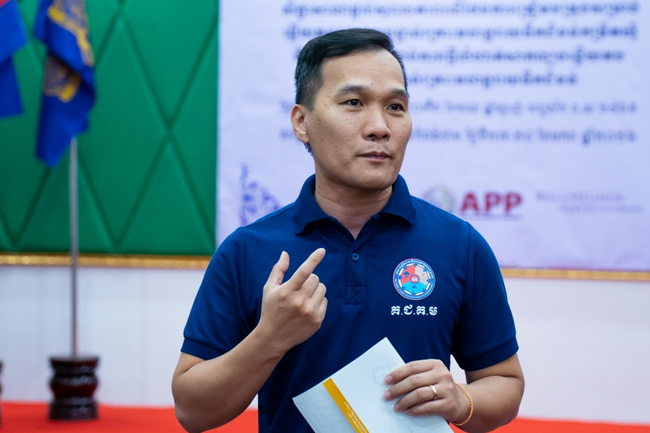
The workshop opened with remarks emphasizing the importance of multi-stakeholder partnerships in disaster risk management. Representatives from government institutions, civil society organizations, and the private sector highlighted the role of the Preparedness Partnership of Cambodia in strengthening local capacity and promoting locally led flood risk management.
Participants noted that collaboration among commune authorities, communities, businesses, and development partners is essential for building sustainable self-help mechanisms and strengthening preparedness at the local level. The engagement of small and medium enterprises (SMEs) in disaster risk reduction initiatives was also highlighted as an important step toward strengthening business continuity and community resilience.
Participatory Review and Validation of Flood Contingency Plans
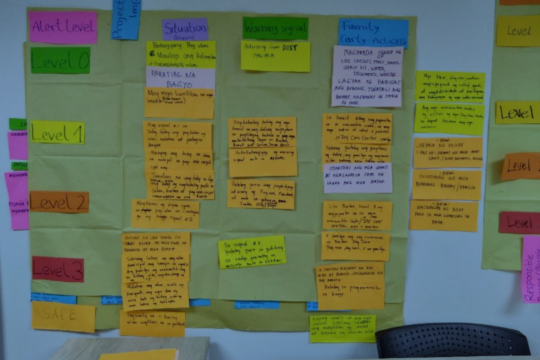
During the technical sessions, participants reviewed the structure and key components of the draft Commune Flood Contingency Plans, including flood risk analysis, early warning mechanisms, preparedness actions, coordination arrangements, and resource mobilization strategies.
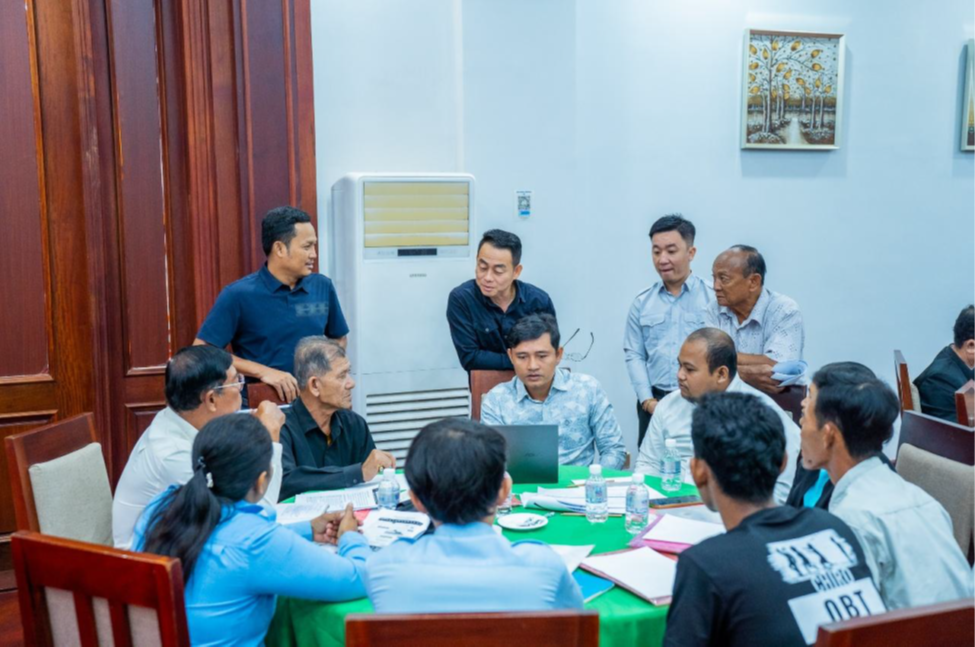
Working groups representing the four target communes examined the draft plans in detail, verifying flood risk data, identifying gaps or inconsistencies, and assessing whether proposed response actions were realistic within local capacities and available resources. The participatory validation process enabled stakeholders to incorporate local knowledge and practical experience into the plans, ensuring that the final documents reflect actual conditions and operational realities on the ground.
Group presentations allowed participants to share their findings, receive feedback, and collectively refine the plans through consensus-building. Particular attention was given to improving the identification of vulnerable households, clarifying roles and responsibilities of the Commune Committees for Disaster Management (CCDMs), and strengthening coordination among commune, district, and provincial authorities.
Preparing for Flood Simulation Exercises
The workshop also introduced preparations for upcoming flood simulation exercises, which will test coordination mechanisms, early warning communication, and response actions outlined in the contingency plans. Scenario-based exercises enabled participants to reflect on practical challenges and assess the feasibility of planned response measures.
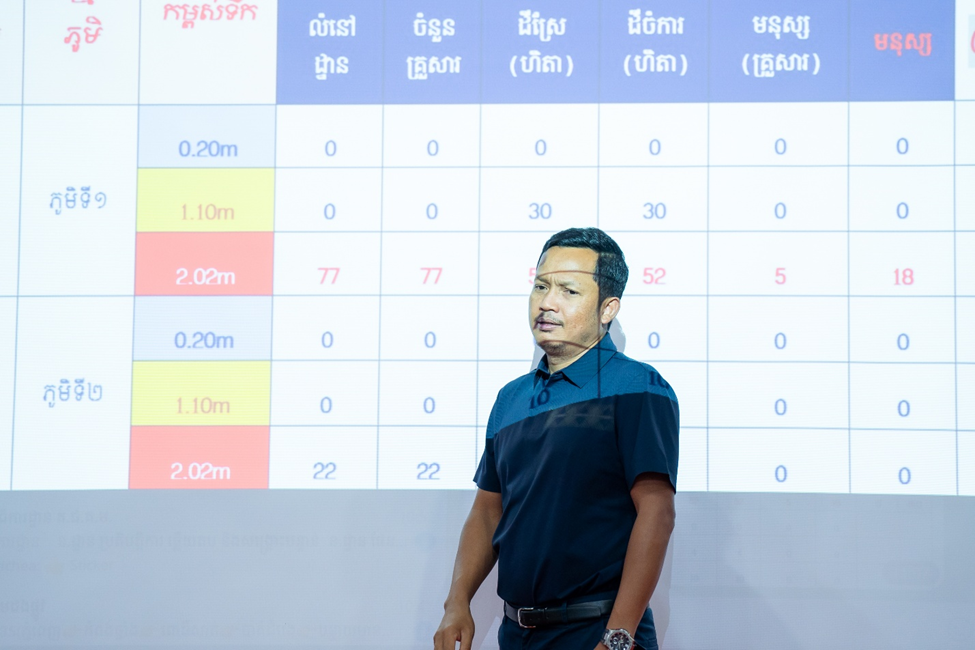
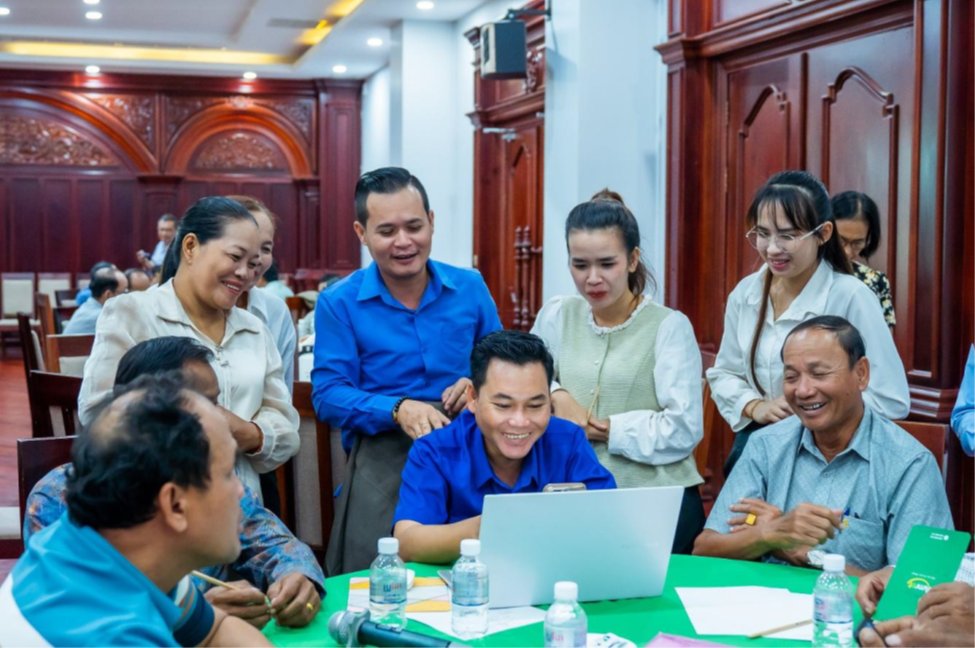
These exercises highlighted the importance of strengthening coordination across multiple levels of government and ensuring that early warning systems, evacuation procedures, and emergency response mechanisms are clearly understood by all stakeholders involved.
Participants emphasized that simulation exercises provide valuable opportunities to identify operational gaps, strengthen communication flows, and enhance readiness for real flood emergencies.
Advancing Locally Led Flood Preparedness
The workshop demonstrated the value of participatory planning approaches in strengthening disaster preparedness at the local level. By actively involving commune authorities, communities, civil society organizations, and private sector representatives, the validation process reinforced ownership of the contingency plans and ensured that preparedness measures are grounded in community realities.
The initiative also highlighted the importance of using locally collected data and simple, low-cost tools such as flood monitoring poles to support early warning and risk monitoring at the community level.
Through these efforts, the ADRF-supported initiative continues to strengthen locally led disaster preparedness and coordination mechanisms, enabling communities and local authorities to better anticipate and respond to flood risks.
Call to Action
To learn more about how ADPC and the Asian Preparedness Partnership support locally led disaster preparedness and risk management, visit www.adpc.net and www.app.adpc.net