Tarlac City, Philippines | 21–23 January 2026
Building on the initial installation of early warning devices in November 2025, the Philippine Preparedness Partnership (PhilPrep), through the Talagháy (Resilience) project supported by the Asian Disaster Readiness Fund (ADRF) under the Asian Preparedness Partnership (APP) program funded by the Gates Foundation, expanded and strengthened the Early Warning System (EWS) network in Tarlac City. The three-day mission focused on installing additional monitoring devices, assessing previously deployed equipment, and advancing institutional integration of EWS technologies into city and provincial disaster risk reduction operations.
Expanding Flood Monitoring Coverage in High-Risk Areas
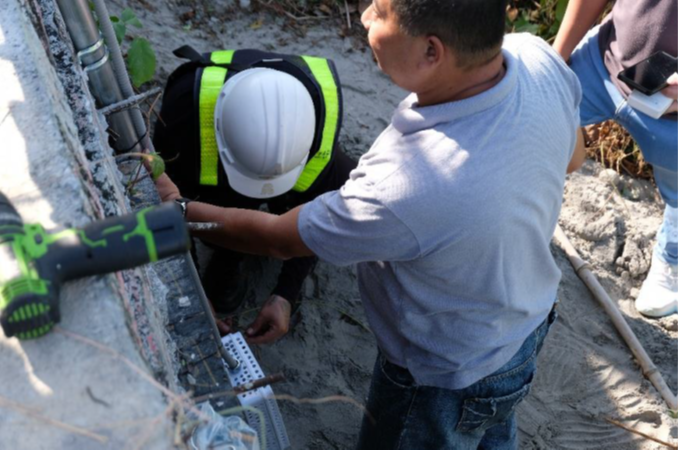
As part of the continuation activities, a second flood sensor was installed in Barangay Tibag, located at the Glorias Private Motor Vehicle Inspection Center (PMVIC). The site was selected following an ocular inspection and consultation with local stakeholders to ensure accurate detection of flood conditions and reliable signal transmission to the existing gateway installed at the New Christian Academy in Barangay San Isidro.
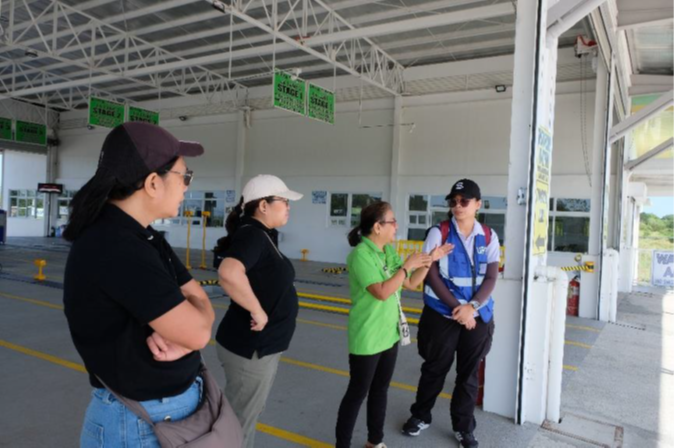
The installation was carried out in coordination with the Provincial Disaster Risk Reduction and Management Office (PDRRMO), Provincial Engineering Office, and technical partner Packetworx, ensuring compatibility with existing infrastructure and long-term operability. This additional sensor expands real-time flood monitoring coverage across flood-prone corridors of Tarlac City.
Assessing and Sustaining Previously Installed EWS Devices
The mission also assessed the operational status of EWS devices installed in November 2025, including the flood sensor along Romulo Highway, the gateway at New Christian Academy, and the earthquake seismometer at the UP-Manila School of Health Sciences – Tarlac Extension Campus. Following a temporary disruption caused by an electricity outage, the seismometer was successfully reactivated. To strengthen sustainability, the PhilPrep team provided on-site guidance and operation, instruction, and maintenance manuals to local custodians, reinforcing local capacity to manage device downtime and ensure continuity of monitoring functions.
Advancing Institutional Integration and Data Use
A central objective of the visit was to deepen institutional uptake of the EWS network. Courtesy calls and technical briefings were conducted with the Tarlac City Disaster Risk Reduction and Management Office (TCDRRMO), Provincial Government Command Center, City Legal Office, and Provincial Management Information System (MIS) unit.
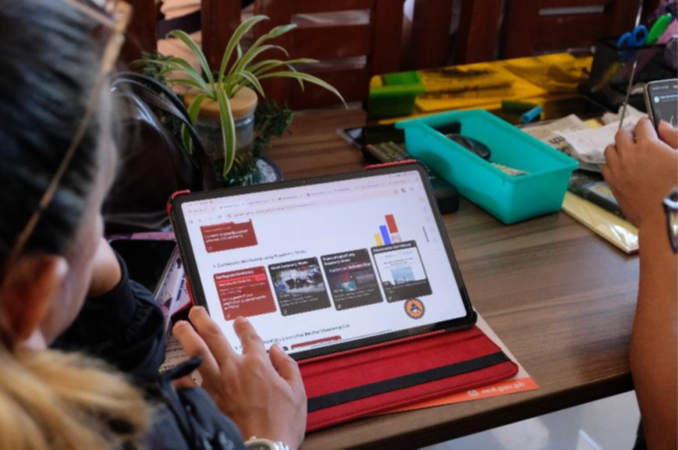
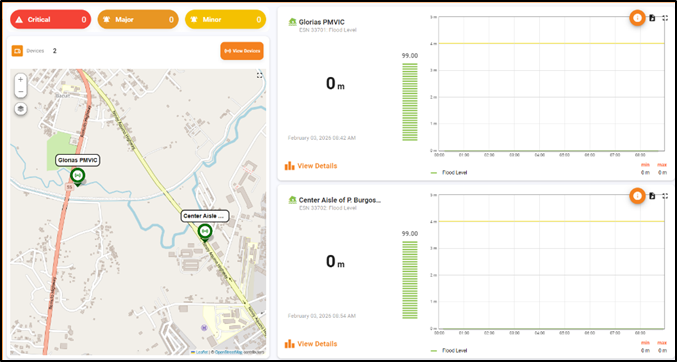
Government partners were introduced to the Talagháy Internet of Things (IoT) dashboard, which consolidates flood, earthquake, and weather monitoring platforms. TCDRRMO expressed intent to integrate the sensor data into routine early warning operations, while discussions with the City Legal Office advanced a multi-partite Memorandum of Agreement to formalize ownership, maintenance, and sustained use of the EWS devices beyond the project period.
From Sensors to Shared Understanding at Barangay Level
An IoT orientation session was conducted for Barangay San Isidro officials and DRRM personnel, providing hands-on access to flood sensors, earthquake monitoring tools, NOAH hazard maps, and weather platforms. The session strengthened barangay-level capacity to interpret real-time data and link monitoring outputs to preparedness and response actions.
Laying the Groundwork for River-Level Monitoring
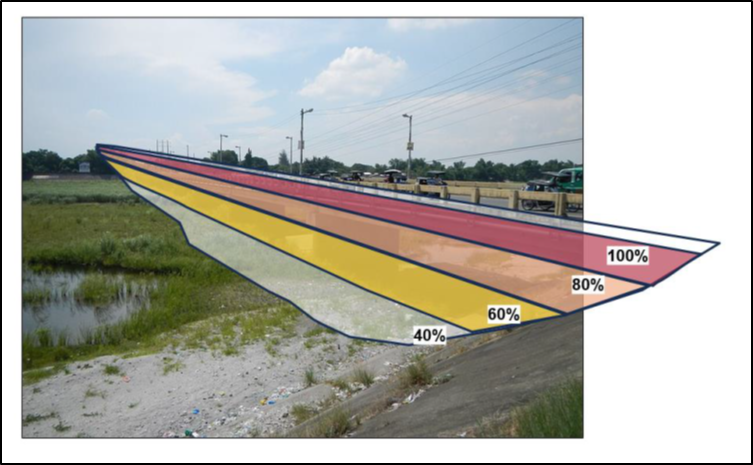
In parallel, the team conducted an initial ocular inspection for the next EWS component—river-level monitoring along the Tarlac River. In collaboration with Tarlac State University (TSU), technical surveys are planned to establish water-level thresholds at 40%, 60%, 80%, and 100% river capacity. These thresholds will inform the marking of bridge columns with visual indicators, providing communities with clear, easily interpretable flood warnings based on rising river levels.
Strengthening a Locally Led, Technology-Enabled EWS Network
By expanding sensor coverage, strengthening maintenance arrangements, and embedding EWS data into government systems, the continuation activities mark a shift from device installation to operational integration. The initiative demonstrates how technology-enabled early warning can be sustainably anchored within local government and community structures, reinforcing anticipatory action and locally led preparedness in Tarlac City.
Call to Action
To learn more about how ADPC and the Asian Preparedness Partnership are supporting locally led, technology-enabled early warning systems across Asia, visit www.adpc.net and www.app.adpc.net.



)