Colombo, Sri Lanka, [Date] – The Sri Lanka Preparedness Partnership (SLPP) has completed the Building Resilient Communities through Locally Led Disaster Risk Management Initiatives project, strengthening disaster preparedness and locally led action across Hambantota, Kegalle, and Anuradhapura districts with the technical support from the Asian Disaster Preparedness Center (ADPC). SLPP brings together the Disaster Management Centre (DMC), civil society partner Janathakshan GTE Ltd, and private-sector partner the Ceylon Chamber of Commerce.
Implemented since 2024, under the first funding cycle of the Asian Disaster Readiness Fund (ADRF) funded by the Gates Foundation, the project brought together government agencies, technical institutions, local authorities, civil society organizations, private-sector actors, schools, and communities to strengthen locally led disaster risk management. Subnational civil society partners, including Asia Lanka Social Development Cooperation (ALSDC) in Kegalle and the Anuradhapura Citizen Council in Anuradhapura, supported community engagement and local coordination. The project focused on community-based early warning, risk-informed planning, preparedness capacity, and locally identified disaster risk reduction measures.
Building Community-Based Landslide Early Warning in Hambantota
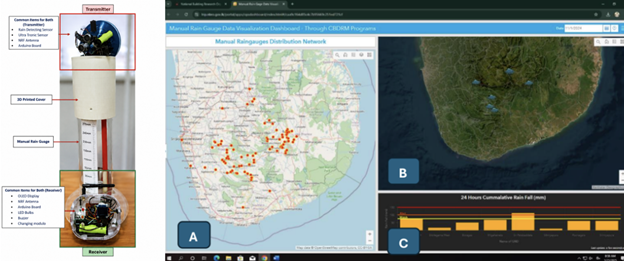
In Walasmulla Divisional Secretariat Division of Hambantota, the project strengthened community preparedness for landslides by establishing five Landslide Risk Monitoring Committees (LRMCs) and developing a community-based early warning system. The system combines community monitoring with technical support from the National Building Research Organisation (NBRO) and Disaster Management Centre (DMC), including the provision of 11 semi-automated rain gauges, five manual warning bell towers, and local communication channels.
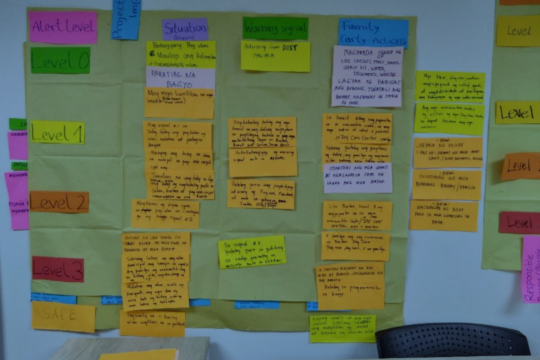
The project also developed and tested a Landslide Early Warning Standard Operating Procedure (SOP) through stakeholder consultations, validation, and simulation exercises. A full-scale simulation involving community members and stakeholder representatives tested warning dissemination, evacuation procedures, and coordination mechanisms, helping establish a practical model for community-based landslide preparedness.
Strengthening Flood Preparedness Through Local Monitoring
In Kegalle District, the project strengthened the community-based Flood Early Warning System (FEWS) through improved flood monitoring, forecasting, and warning dissemination. A flood risk assessment and gap analysis combined historical data, technical assessments, and community knowledge to identify improvements in flood monitoring, forecasting, and warning dissemination. The upgraded system includes two real-time rain gauges and one real-time water-level gauge, integrated with the Department of Irrigation’s national monitoring network. Community awareness and local coordination were also supported by ALSDC. The project also revised and validated the Flood Early Warning SOP through a scenario-based tabletop exercise, strengthening institutional coordination and community understanding of warning and response procedures.
Turning Local Risk Assessments into Action
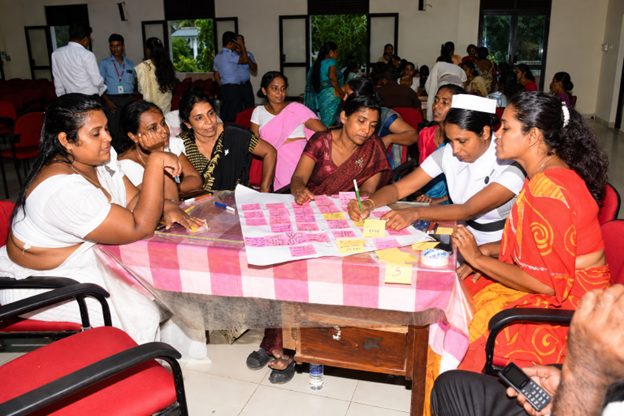
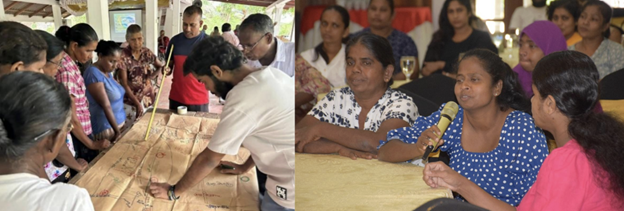
In Anuradhapura District, communities took the lead in identifying disaster risks and practical preparedness priorities through participatory risk assessments. The process established Village Disaster Management Committees (VDMCs) and enabled communities to identify hazards, map vulnerabilities, assess available resources, and agree on practical preparedness measures. The Anuradhapura Citizen Council, the SLPP subnational partner, facilitated community consultations and local coordination throughout this process.
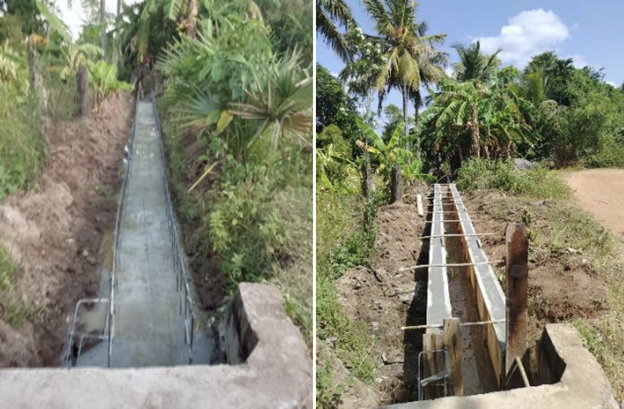
The locally identified priorities led to two practical interventions: rehabilitation of a village tank bund in Padiggama to improve water storage and address drought-related water shortages, and renovation of a 45-metre irrigation canal in Thulawelliya to improve water distribution for agriculture. Implemented with local authorities, the Department of Agrarian Development, and village Farmer Organizations, the interventions strengthened community ownership while supporting drought resilience and sustainable water management.
Strengthening Local Capacity and Inclusive Participation
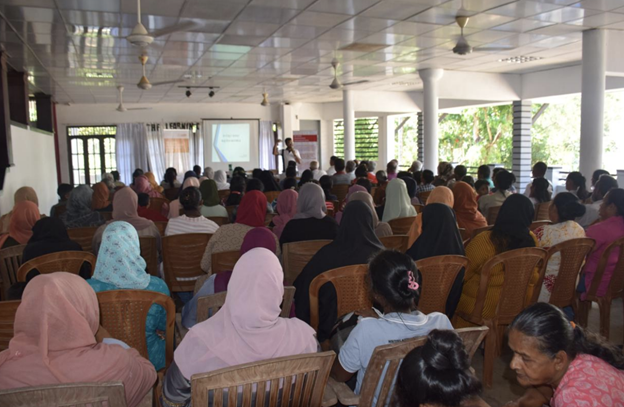
Across the three districts, the project invested in strengthening the capacity of communities and local institutions through awareness programmes, technical training, simulation exercises, and participatory planning. Activities engaged more than 3,000 participants, with women representing approximately 51 percent of participation, alongside vulnerable groups, schools, farmer organizations, civil society, private-sector actors, and local authorities. The project strengthened collaboration between national technical agencies and local actors, enabling communities to take greater roles in risk monitoring, preparedness planning, early warning systems, and locally prioritized interventions, while advancing localization through stronger local leadership, ownership, capacity, and decision-making in disaster risk management.
Laying Foundations for Sustainable Local Action
The project demonstrated how locally led disaster risk management can connect technical expertise with community knowledge and priorities. From community-managed landslide monitoring and real-time flood information to village-level disaster planning and drought resilience measures, the interventions strengthened practical systems that can continue supporting preparedness beyond the project period.
Through technical facilitation, capacity strengthening, and collaboration with national and local partners, ADPC supported SLPP in advancing community-led approaches to disaster preparedness and resilience. The experience provides a foundation for continued investment in local capacity, inclusive partnerships, and locally driven disaster risk reduction across Sri Lanka. These results reflect ADRF’s emphasis on locally led action, multi-stakeholder partnership, inclusivity, and sustainability.
Background
The Building Resilient Communities through Locally Led Disaster Risk Management Initiatives project was implemented by the Sri Lanka Preparedness Partnership (SLPP) from December 2024 to May 2026 under the Asian Disaster Readiness Fund (ADRF). The project focused on strengthening locally led disaster preparedness through community-based early warning systems, risk-informed planning, capacity building, and locally prioritized disaster risk reduction interventions in Hambantota, Kegalle, and Anuradhapura.
For more information about ADPC’s work on strengthening disaster preparedness and locally led resilience across Asia, please visit: app.adpc.net