Phnom Penh, Cambodia
The Preparedness Partnership of Cambodia (PPC) has successfully completed the Local Lead Flood Risk Management Project, strengthening locally led flood preparedness systems in flood-prone areas of Tbong Khmum and Krouch Chhmar districts. Implemented since 2025 under the first funding cycle of the Asian Disaster Readiness Fund (ADRF) through the Asian Preparedness Partnership (APP), the project focused on strengthening commune-level disaster preparedness through inclusive governance, community engagement, early warning systems, and locally led actions. The approach reflects ADRF’s emphasis on locally led action, multi-stakeholder cooperation, inclusion, and sustainable community resilience.
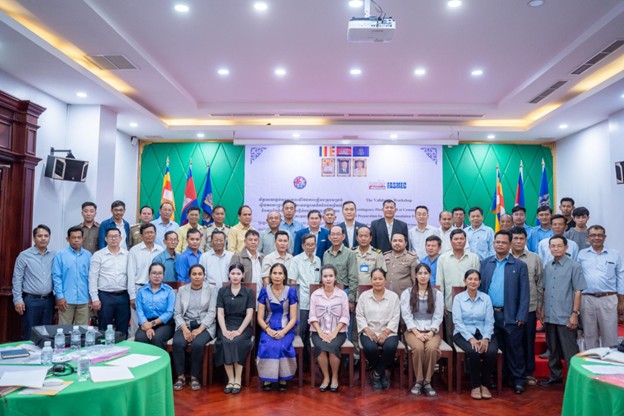
Through strategic collaboration, the initiative successfully established stronger mechanisms for flood risk monitoring, preparedness planning, and coordinated early action. The project supported communities to strengthen their ability to understand risks, communicate warnings, and take timely actions before and during flood events.
PPC is led by the National Committee for Disaster Management (NCDM) of Cambodia with support from the private-sector partner Federation of Associations for Small and Medium Enterprises of Cambodia (FASMEC), and the civil society partner Partnership for Development in Kampuchea (PADEK), which represents the Cambodia Humanitarian Forum (CHF),. It is part of the Asian Disaster Preparedness Center’s (ADPC’s) flagship program APP funded by the Gates Foundation.
Strengthening Local Leadership for Flood Risk Management
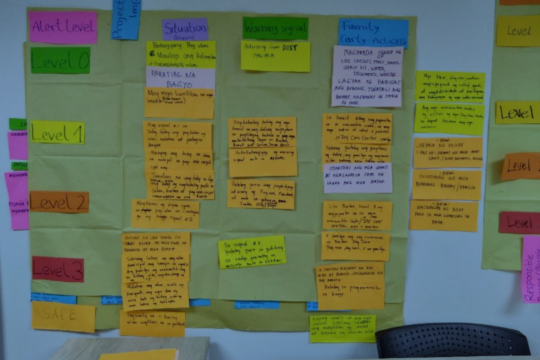
A key achievement of the project was strengthening the role of local institutions in disaster preparedness through the restructuring of Commune Committees for Disaster Management (CCDMs) in four target communes: Chiro Ti Muoy, Tonle Bet, Svay Klaing, and Prek A-Chi in Tbong Khmum Province.
Through consultations with commune authorities, community representatives, civil society organizations (CSOs), and local businesses, CCDM structures were reviewed and expanded to include broader representation from non-government actors, strengthening local ownership and inclusive collaboration for flood preparedness and response. The revised CCDMs were endorsed by commune authorities, while trained local representatives were equipped to support continued knowledge sharing and disaster risk management capacity development beyond the project period.
Building Community Capacity Through Knowledge and Training
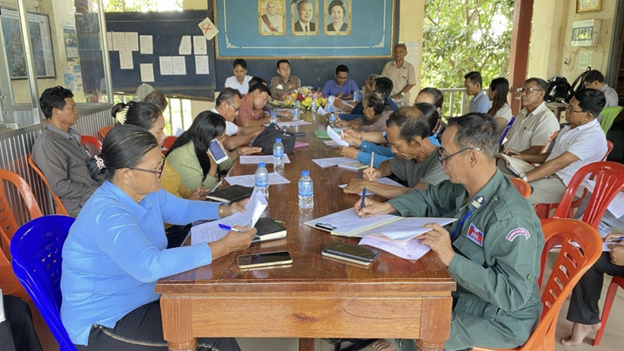
To strengthen local preparedness capacity, the project developed a commune-level disaster risk management training manual covering disaster risk management concepts, legal frameworks, disaster information systems, gender-responsive approaches, early warning systems, and localized risk assessment tools.
Using the manual, trained local facilitators conducted community-level echo-training sessions across the four target communes, strengthening understanding of disaster risks, gender considerations in disaster management, and early warning systems. The initiative supported a more sustainable approach to disaster preparedness and resilience by building local trainer capacity and promoting community-based knowledge sharing,
Turning Local Knowledge into Flood Preparedness Action
The project supported communities in identifying flood risks and developing practical flood management plans based on local experiences, vulnerabilities, and priorities. Through participatory consultations, communities mapped flood-prone areas, identified vulnerable groups and livelihood impacts, and discussed appropriate preparedness measures. These discussions informed the development of commune flood contingency plans, which were endorsed by commune authorities.
The plans established clearer arrangements for early warning communication, evacuation procedures, stakeholder responsibilities, and support mechanisms for vulnerable groups during flood emergencies. Following the endorsement, awareness activities helped community members better understand their roles before, during, and after flood events, strengthening local preparedness and response capacity.
Strengthening Community-Based Early Warning Systems
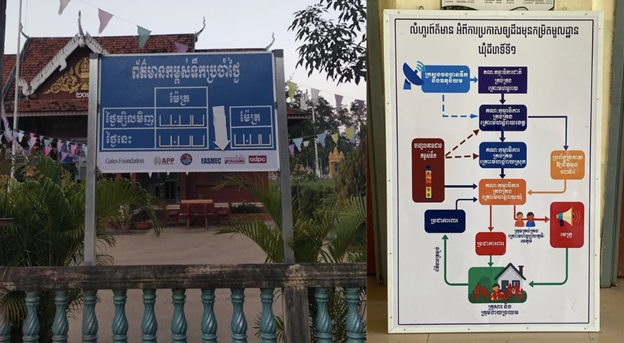
The project strengthened access to timely and locally relevant flood information through community-based flood monitoring and communication mechanisms. Flood monitoring poles and information boards were installed in the four target communes based on community consultations and local knowledge of historical flood patterns, while flood monitoring teams were formed to track water levels and share updates with communities.
The project also supported the development of localized flood early warning communication flows by clarifying roles among commune and village authorities and strengthening communication pathways through both digital and traditional channels, including Facebook, Telegram, loudspeakers, and village messengers. These systems enable communities to better understand flood risks and take timely preparedness and early actions.
Testing Preparedness Through Simulation Exercises
The initiative likewise strengthened practical readiness through flood emergency response simulation exercises conducted in Chiro Ti Muoy and Prek A-Chi communes.
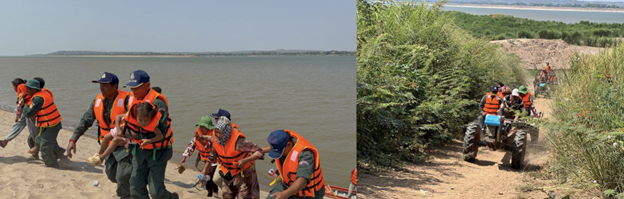
The exercises engaged 266 participants, including 79 women, and tested key elements of flood response, including early warning dissemination, emergency communication, evacuation procedures, rescue coordination, and collaboration among local stakeholders.
The simulations provided opportunities for communities and local authorities to identify challenges, improve coordination, and strengthen preparedness arrangements. Lessons from the exercises highlighted the importance of continued practice, clear responsibilities, and effective communication during emergencies.
Advancing Inclusive and Sustainable Flood Resilience
The successful completion of the Local Lead Flood Risk Management Project demonstrates the value of locally led and inclusive approaches in strengthening disaster preparedness. The initiative has contributed to stronger foundations for flood resilience in Cambodia by strengthening CCDMs, building community capacity, establishing flood monitoring mechanisms, developing contingency plans, and promoting collaboration among government, civil society, private-sector actors, and communities. This is consistent with ADRF’s ‘by the local, for the local’ principle and its emphasis on co-creation, multi-stakeholder partnership, inclusion, and sustainability.
The project also generated valuable lessons on the importance of local knowledge, community participation, and multi-stakeholder collaboration in disaster risk management. Through technical guidance, capacity strengthening, and knowledge exchange, ADPC supported partners in advancing sustainable and inclusive preparedness approaches that can inform future community-based flood risk management efforts in Cambodia and beyond.
Background
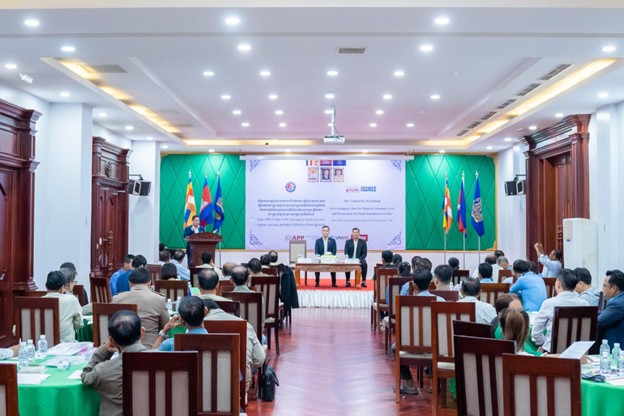
The Locally Led Flood Risk Management Project was implemented by the Preparedness Partnership of Cambodia (PPC), under the Asian Disaster Readiness Fund (ADRF) through the Asian Preparedness Partnership (APP). Through PPC, NCDM worked with PADEK/CHF as the civil society partner and FASMEC as the private-sector partner. The project strengthened local disaster risk management capacities through partnerships, community engagement, flood early warning systems, contingency planning, and simulation exercises, with technical support from ADPC to promote inclusive collaboration, local ownership, and sustainable flood resilience.
For more information about ADPC’s work on strengthening disaster preparedness and locally led resilience across Asia, please visit: app.adpc.net