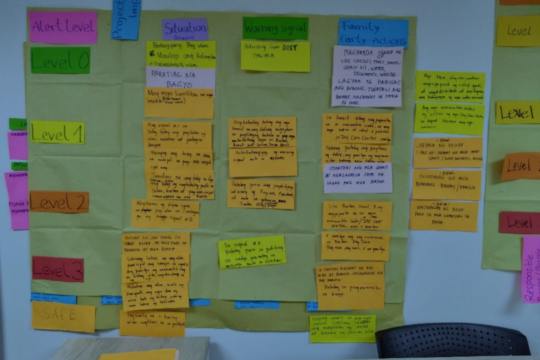
Pakistan, 27 October, 2026 – The Asian Disaster Preparedness Center (ADPC), through the Asian Preparedness Partnership (APP) supports efforts to strengthen locally led disaster preparedness and climate resilience in Pakistan under the Asian Disaster Readiness Fund (ADRF) funded by the Gates Foundation. The initiative aims to strengthen institutional coordination, integrate climate risks into local planning, and empower vulnerable communities to take timely action before disasters occur.
The project, titled “Strengthening Locally Led Disaster Preparedness and Climate Resilience at Sub-National Level in Pakistan,” is being implemented through Promoting Resilient Preparedness (PRP), bringing together government institutions, including the National Disaster Management Authority (NDMA); the private sector, represented by the Federation of Pakistan Chambers of Commerce and Industry (FPCCI); civil society organizations, including the National Humanitarian Network (NHN); and representatives from academia and the media.
Targeting five districts – Buner in Khyber Pakhtunkhwa, Jhelum in Punjab, Sukkur in Sindh, Jaffarabad in Balochistan, and Gilgit in Gilgit-Baltistan – the project strengthens preparedness against floods, landslides, glacial lake outburst floods, droughts, and other climate-related hazards. Building on the established PRP national partnership, it adopts an integrated approach across three interconnected thematic areas: strengthening forecast-based early warning and early action systems, integrating climate risks into locally led adaptation planning, and enhancing community resilience through community-based disaster risk management (CBDRM).
Strengthening Early Warning Systems and Anticipatory Action
A key component of the initiative focuses on improving coordination between Pakistan’s NDMA, its National Emergency Operations Centre (NEOC), and provincial and district disaster management authorities. Under NDMA’s technical leadership, assessments have been undertaken to review existing early warning policies, institutional responsibilities, forecasting systems, and information-sharing mechanisms. The assessments identified opportunities to strengthen the translation of national forecasts into timely, locally relevant early actions, particularly by improving communication channels, clarifying institutional responsibilities, and establishing consistent forecast-based triggers.
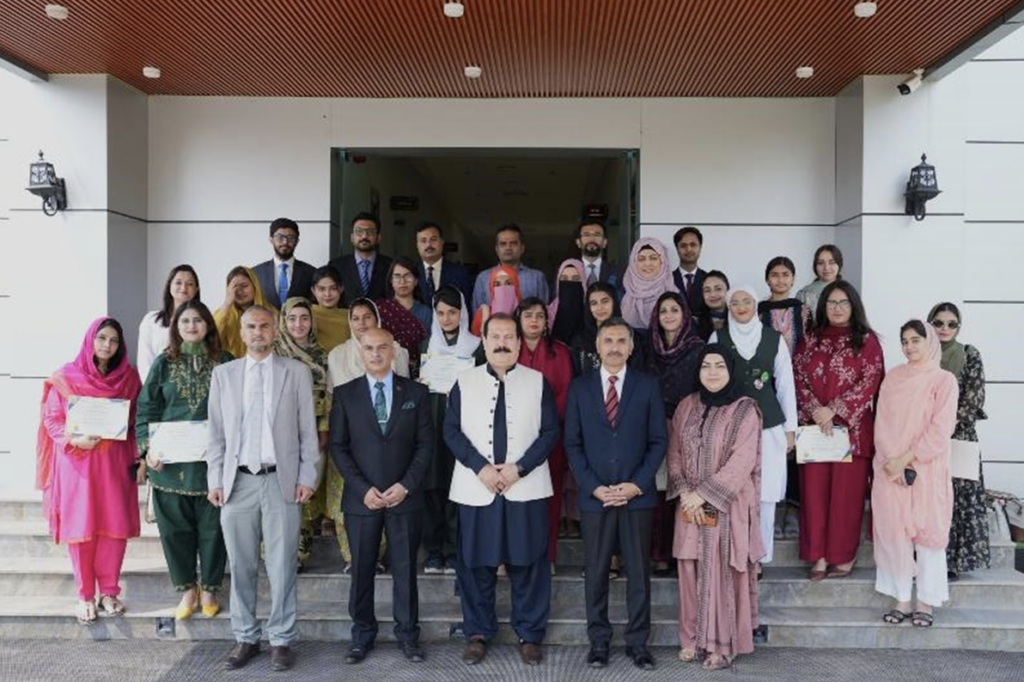
To address these priorities, a practical training manual on impact-based forecasting and anticipatory action (AA) has been developed. A capacity-building session brought together 31 participants, including 23 women, representing national, provincial, and regional disaster management institutions and partners. It strengthened understanding of forecast interpretation, early-action triggers, inter-agency coordination, and the operational responsibilities of different institutions.
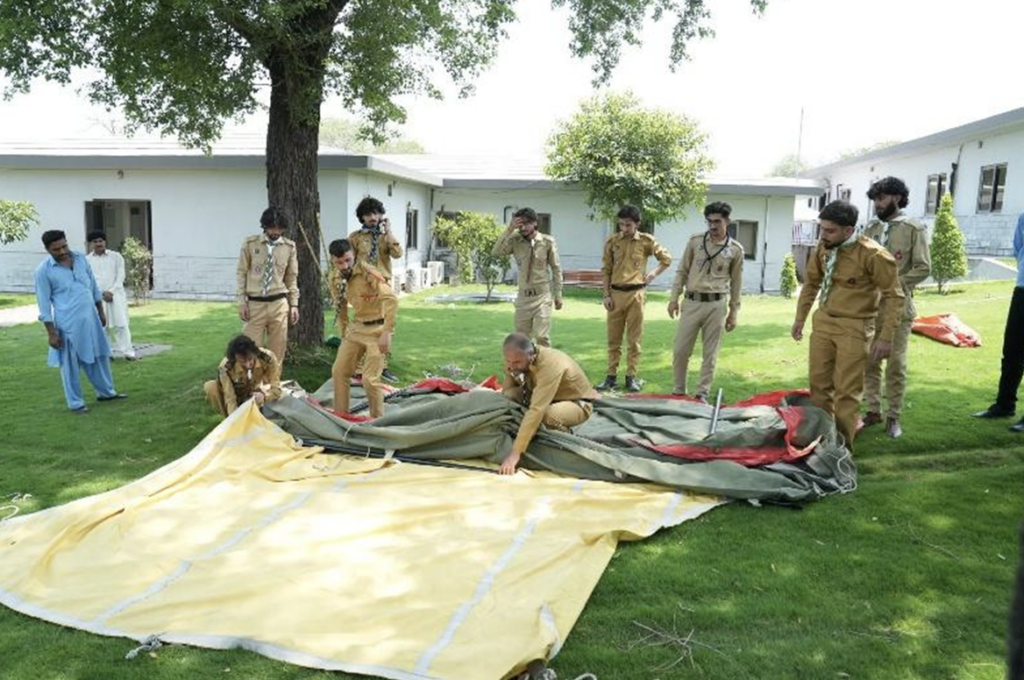
Two simulation and tabletop exercises were conducted, recording a total of 89 participants (57 males and 32 females), representing national, provincial, and district-level stakeholders. The exercises utilized hazard-specific scenarios, including flash floods, riverine flooding, hill torrents, and glacial lake outburst floods, to test forecast interpretation, coordination, decision-making, and early-action activation.
Building on these exercises, information-sharing protocols and district-specific standard operating procedures (SOPs) have been developed to link forecast information with predefined preparedness measures. The protocols establish clearer pathways for communicating warnings and coordinating actions between national, provincial, district, and community levels. Their formal endorsement and continued operational testing remain important next steps.
Integrating Climate Risks into Local Adaptation Planning
Recognizing that effective disaster preparedness must address both immediate hazards and longer-term climate risks, the project also seeks to strengthen locally led climate adaptation planning. Activities include mapping available institutional and technical resources, identifying priority climate risks through participatory consultations, and facilitating district-level dialogues on locally appropriate adaptation solutions. The findings will inform practical adaptation action documents and communication materials to support local decision-makers and communities.
This component is intended to strengthen collaboration among institutions while ensuring that local experiences, knowledge, and priorities inform climate resilience planning.
Empowering Communities Through Locally Led Disaster Risk Management
At the community level, the initiative is advancing CBDRM through NHN, working with local civil society organizations and district authorities. Community Disaster Management Committees (CDMCs) have been established in ten villages across the five target districts, providing local platforms for coordinating disaster preparedness, early warning dissemination, and community response.
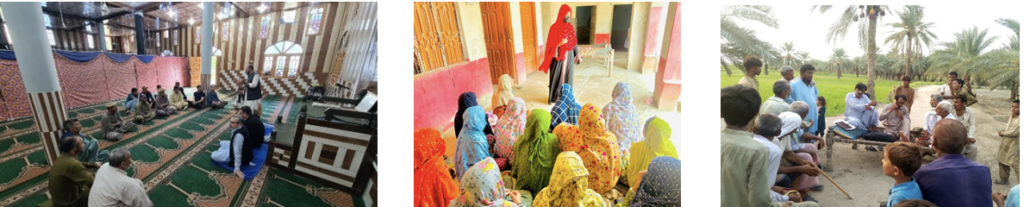
The CDMCs were formed through participatory consultations designed to encourage representation of women, youth, persons with disabilities, and other vulnerable groups. Their establishment is being facilitated by five local civil society organizations: Rural Development Organization (RDO) in Buner, Gilgit Baltistan Rural Support Programme (GBRSP) in Gilgit, Goth Seengar Foundation (GSF) in Sukkur, Welfare Organization for Rural Development and Sustainability (WORDS) in Jaffarabad, and IGNITE Foundation in Jhelum.
Participatory multi-hazard risk and vulnerability assessments have also been documented for communities in Buner, Gilgit, Sukkur, and Jaffarabad. Through community consultations, hazard mapping, historical disaster analysis, and vulnerability assessments, residents have identified the risks affecting their settlements, livelihoods, infrastructure, and access to essential services.
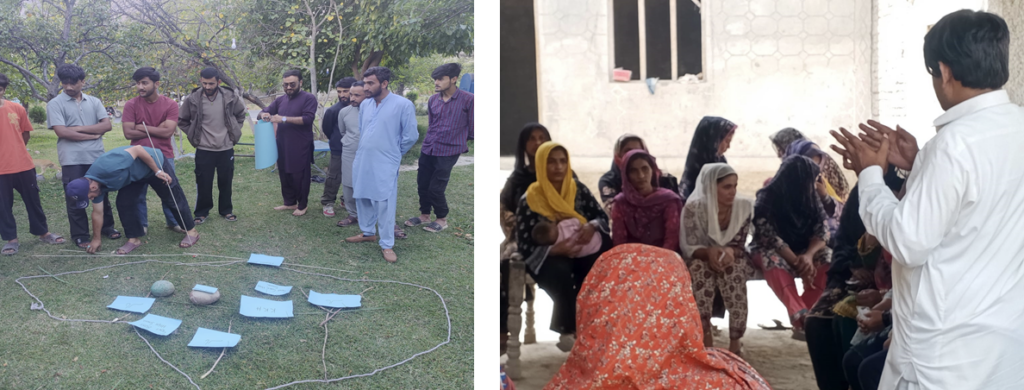
The assessments highlight diverse local challenges, ranging from flash floods and landslides in mountainous areas to riverine flooding, drought, extreme heat, and water insecurity in low-lying communities. The findings have informed village-level disaster risk reduction priorities and proposed action plans, including stronger early warning mechanisms, safer evacuation arrangements, livelihood protection, and improved coordination with local authorities.
Further activities under the project include strengthening community preparedness plans, conducting awareness and capacity-building sessions, and organizing simulation drills to improve communities’ ability to respond to emergencies.
Building Sustainable and Locally Owned Preparedness Systems
By connecting institutional early warning mechanisms with community-based preparedness and climate adaptation planning, the initiative seeks to strengthen the entire chain of disaster preparedness – from national forecasting to practical action at the local level.
The PRP demonstrates how multi-stakeholder partnerships can support locally led disaster risk management while remaining aligned with national priorities. As implementation progresses, emphasis will be placed on institutionalizing early-action procedures, strengthening the capacity of local organizations, and supporting community ownership of preparedness initiatives.
Through the ADRF, APP continues to promote a localization approach in which national institutions provide strategic and technical support while local actors and communities play an active role in identifying risks, planning interventions, and strengthening resilience against future disasters.
For more information visit app.adpc.net