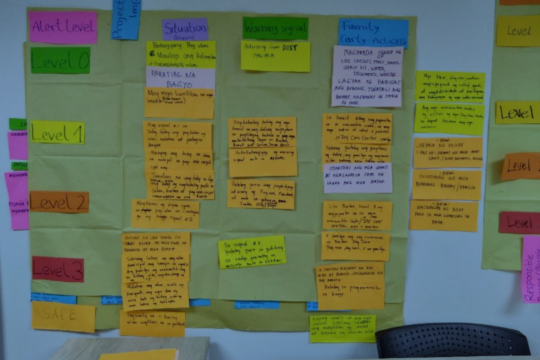
Kathmandu, Nepal, 24 September – The Nepal Preparedness Partnership (NPP), has completed its ADRF-supported initiative to strengthen municipal disaster management systems and community preparedness across five local governments in Chitwan District. The initiative was supported through the Asian Disaster Readiness Fund (ADRF) under the Asian Preparedness Partnership (APP) of the Asian Disaster Preparedness Center (ADPC), with funding support from the Gates Foundation.
Implemented for over a year, the project worked across Ratnanagar, Kalika, Madi and Khairahani municipalities and Ichchhakamana Rural Municipality, linking stronger municipal preparedness systems with locally led community action.
Strengthening Local Emergency Coordination
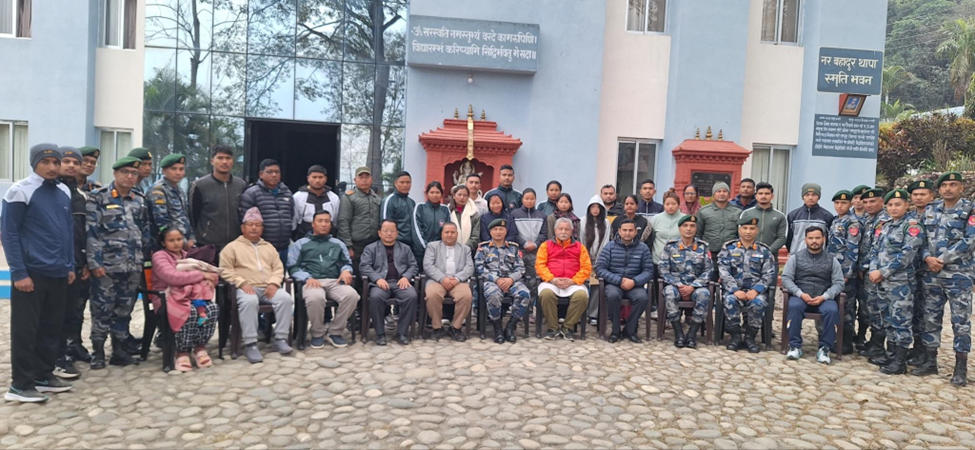
A key focus of the project was strengthening Local Emergency Operations Centers (LEOCs) as hubs for disaster information, coordination, communication and emergency decision-making. Officials and community representatives received training on LEOC operations and disaster information management. The project also supported the development of locally adapted Standard Operating Procedures and provided essential equipment to strengthen the operation of the four LEOCs. These efforts helped strengthen coordination between local authorities, communities and the wider district, provincial and national emergency operations system.
Turning Community Risk Knowledge into Local Action
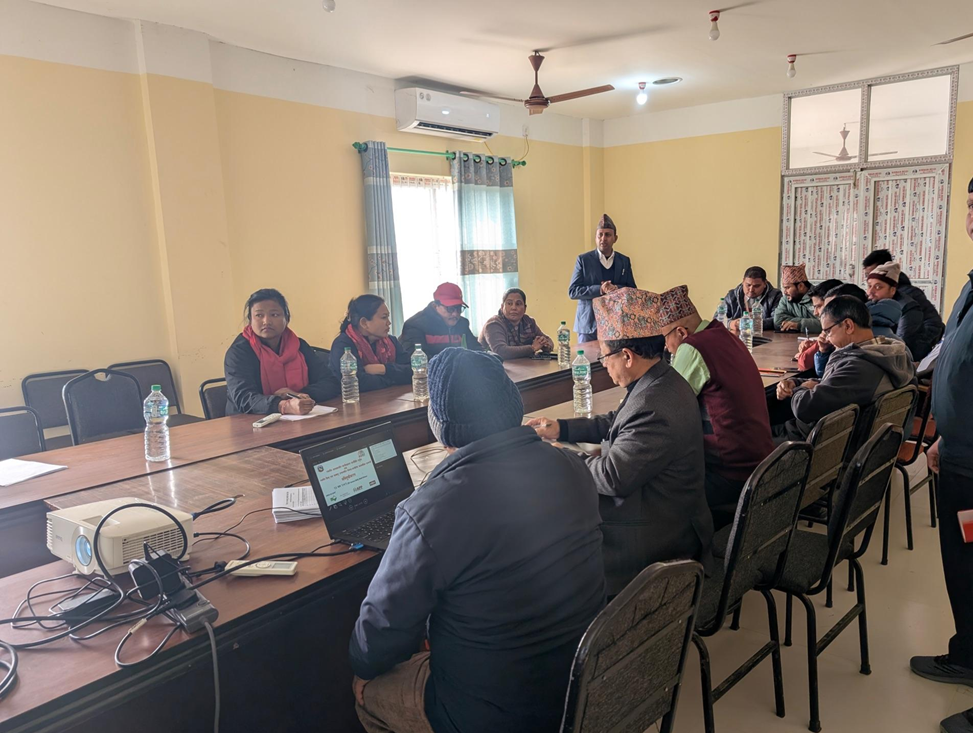
The project strengthened Community-Based Disaster Risk Management (CBDRM) by supporting communities to identify hazards, vulnerabilities and preparedness priorities. Community members assessed risks from floods, landslides and fires, while CBDRM committees and task forces were established to support local preparedness, response and communication.
A total of 210 participants, including 122 women, engaged in CBDRM orientations and task-force formation, while 169 participants, including 94 women, contributed to community risk assessments. The findings informed local planning, with Ratnanagar, Kalika, Khairahani and Madi updating their Local Disaster and Climate Resilience Plans/Frameworks, and Ichchhakamana developing its framework through ward-level assessments and consultations
Building Community First-Response Capacity
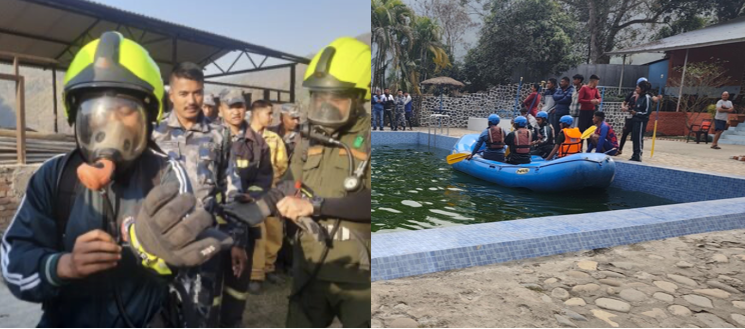
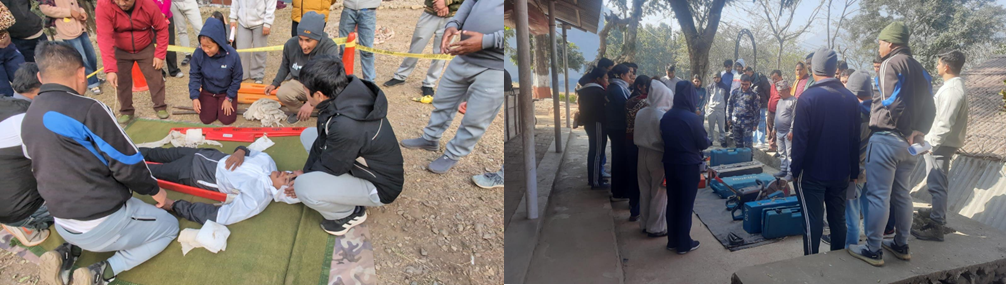
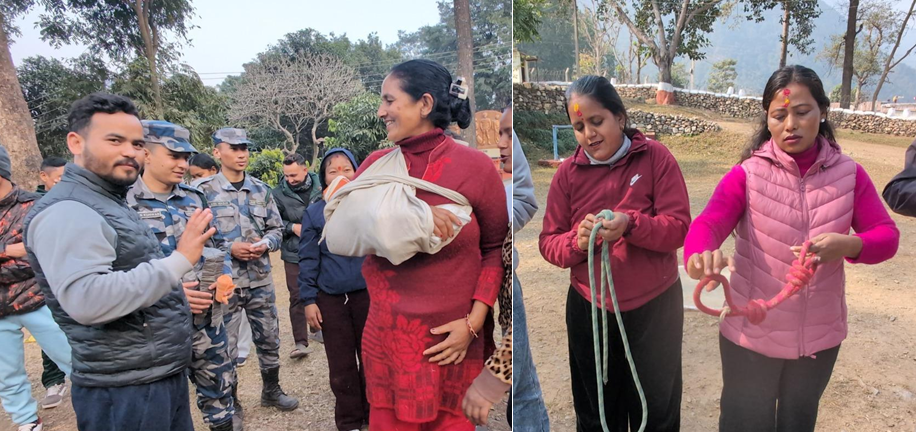
The project strengthened community emergency-response capacity through Basic Light Search and Rescue and Emergency First Aid training, reaching communities with skills in search and rescue, first aid, CPR, injury management and firefighting. Simulation exercises supported practical learning, while trained responders were connected with local disaster management structures.
Light Search and Rescue and first-aid equipment was provided to high-risk communities to improve response during the critical early hours of emergencies. The project also adapted to emerging needs by redirecting support to replace damaged LEOC and search-and-rescue equipment, provide additional life-saving training and strengthen municipal response coordination.
Advancing Inclusive and Sustainable Preparedness
Gender Equality, Disability and Social Inclusion (GEDSI) was integrated throughout project activities, promoting participation of women, persons with disabilities, Indigenous populations and other marginalized groups in disaster preparedness and management. A GEDSI training for women leaders and community-based humanitarian organizations reached 34 participants, including 24 women, strengthening knowledge of inclusive disaster preparedness, response and recovery.
The project recorded 1,153 participant engagements through 32 in-person technical support services, reaching 199 organizations across government, civil society, private sector, academia and other stakeholder groups. A final After Action Review highlighted priorities for sustaining LEOC operations, strengthening CBDRM, advancing inclusive preparedness and maintaining disaster-management coordination. ADPC’s support helped strengthen links between municipal systems and community-led disaster resilience in Nepal.
Background
The ADRF supporting project was implemented in Nepal from December 2024 to June 2026 under the Asian Disaster Readiness Fund (ADRF 2024), through the Asian Preparedness Partnership (APP) of the Asian Disaster Preparedness Center (ADPC), with funding support from the Gates Foundation. The project was implemented through the Nepal Preparedness Partnership (NPP), led by the Ministry of Home Affairs (MoHA), with the National Disaster Risk Reduction Centre (NDRC) Nepal and the Federation of Nepalese Chambers of Commerce and Industry (FNCCI), in collaboration with other NPP members, local governments, communities, and relevant stakeholders.
For more information about ADPC’s work on strengthening disaster preparedness and locally led resilience across Asia, please visit: adpc@adpc.net