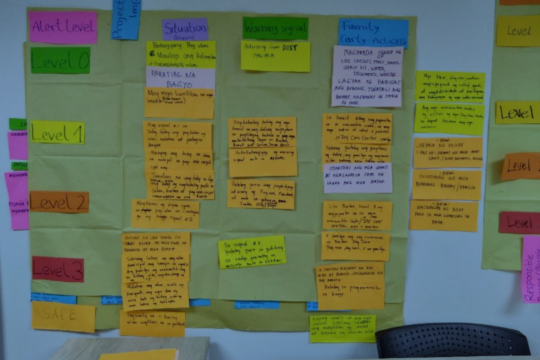
Phnom Penh, Cambodia
15th July 2026
More than 100 representatives of governments, civil society, the private sector, regional organizations and development partners attended in person, while over 120 participants joined online, for the Localization Policy Dialogue: A Decade of Progress, Lessons, and the Way Forward in Asia and the Pacific.
The dialogue was jointly convened by the Asian Disaster Preparedness Center (ADPC) and the Gates Foundation. It was hosted by the Preparedness Partnership of Cambodia, which serves as Co-Chair of the Asian Preparedness Partnership Regional Steering Committee for 2025–2026. The event marked ten years of the Asia Preparedness Partnership (APP). It also marked a decade since the World Humanitarian Summit highlighted the importance of locally led humanitarian and disaster resilience action.
H.E. Prak Kimhong, Deputy Secretary-General of the National Committee for Disaster Management, welcomed delegates and highlighted Cambodia’s efforts to strengthen community-level disaster preparedness through national and local partnerships.
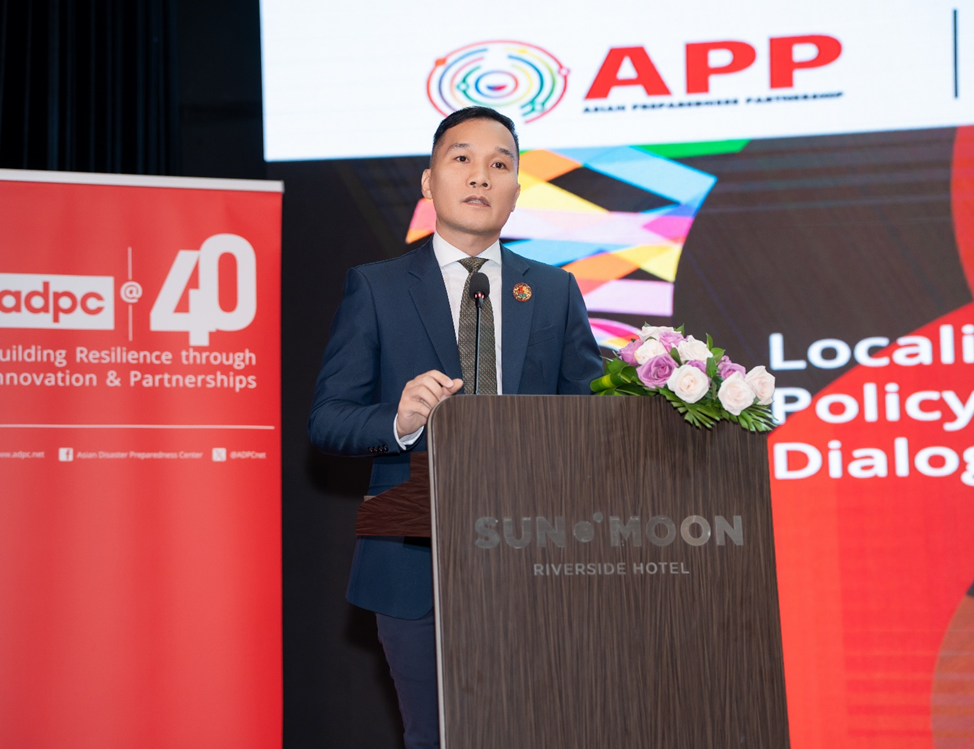
H.E. Prak Kimhong, Deputy Secretary-General of the National Committee for Disaster Management
Opening the dialogue, Mr. Aslam Perwaiz, Executive Director of ADPC, emphasized the need to consolidate the progress achieved over the past decade.
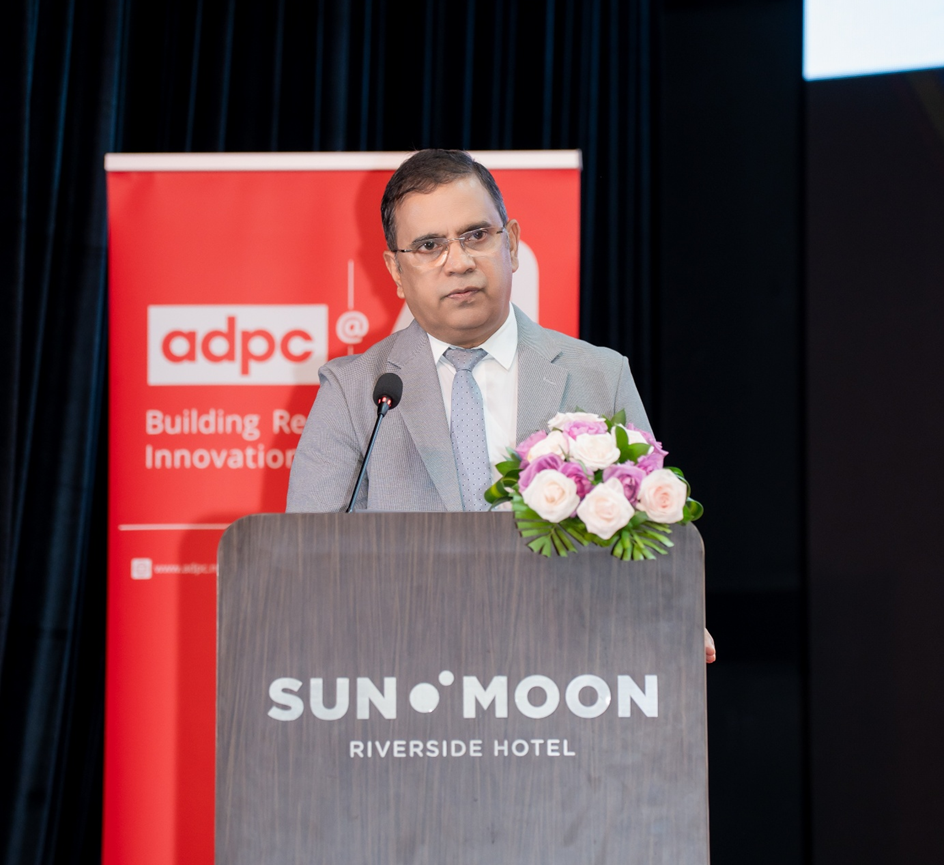
Mr. Aslam Perwaiz, Executive Director, ADPC
Dr. Valerie Nkamgang Bemo, Deputy Director for Emergency Response at the Gates Foundation, called for continued investment in locally led institutions and partnerships.
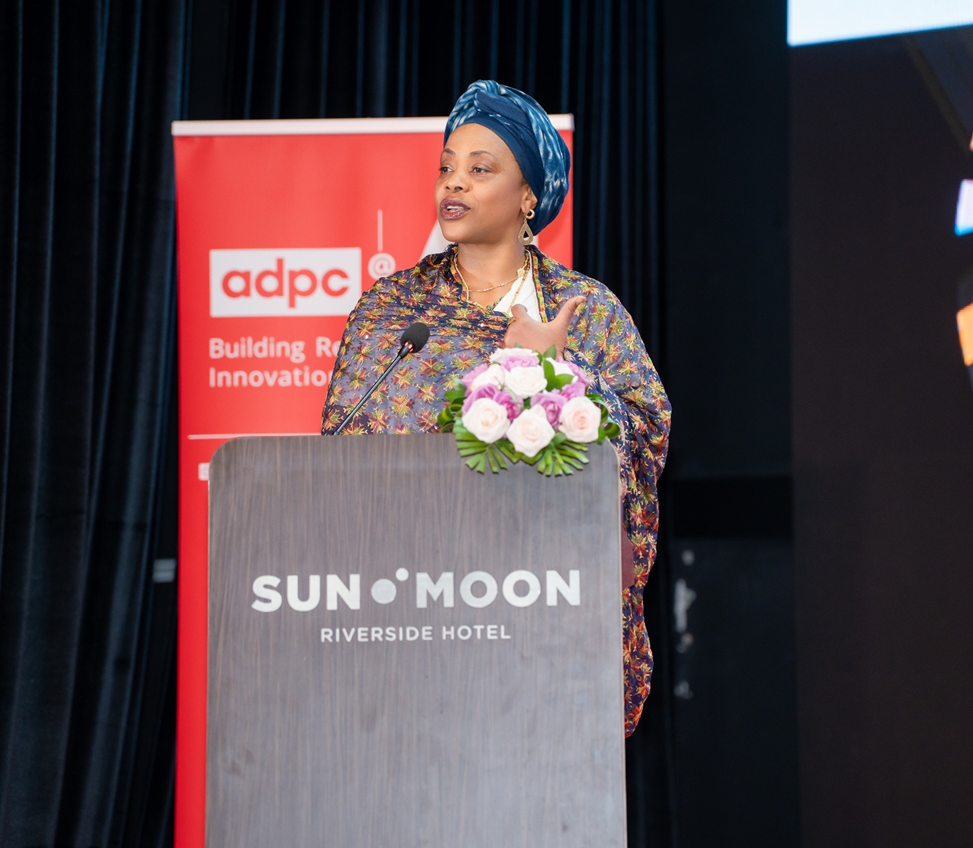
Dr. Valerie Nkamgang Bemo, Deputy Director for Emergency Response, Gates Foundation
Participants from Cambodia, Lao PDR, Myanmar, Nepal, Pakistan, the Philippines and Sri Lanka shared practical experiences of communities contributing to risk identification, preparedness planning, early warning systems and local decision-making.
The discussions emphasized that meaningful localization requires communities and local organizations to participate throughout programme design, implementation and accountability—not only as recipients or implementers. Dr. Sisira Madurapperuma, Director of ADPC, highlighted this principle:
“We must move from charity to investment by strengthening local institutions and enabling them to lead resilience efforts in a sustainable way.”
The dialogue also examined how stronger institutions, simplified access to financing, transparent fund management and long-term capacity development can help local organizations move from project-based participation to sustained leadership. Dr. Sisira Madurapperuma, Director of ADPC, called for a transition “from charity to investment” by developing locally identified resilience priorities into credible and sustainable programmes.
The dialogue concluded with an overarching recommendation to establish equitable, transparent and locally led partnerships in which communities and local organizations meaningfully influence programme design, funding decisions, implementation and accountability, supported by adapted donor requirements and sustained institutional capacity-building.
About the Asia Preparedness Partnership
Launched in 2016 with support from the Gates Foundation, the Asia Preparedness Partnership brings together governments, civil society, academia and the private sector through nationally owned partnerships in seven countries. Coordinated by ADPC, APP promotes collaboration, knowledge exchange and locally led disaster preparedness across Asia and the Pacific.